
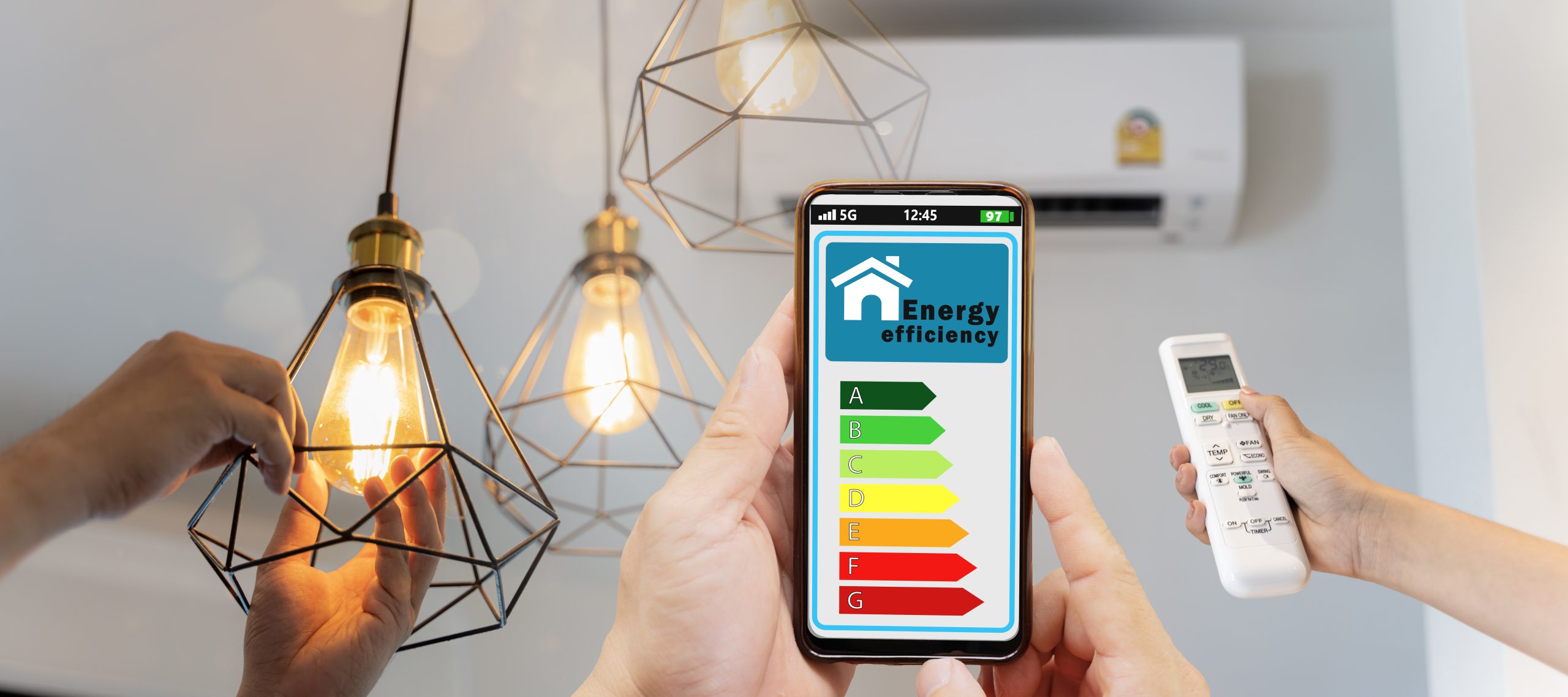
Energy bills have a habit of creeping up while nobody is watching. You pay a bit more one month, nudge the direct debit upward, and carry on. Meanwhile the house keeps leaking warmth through gaps nobody has sealed, the boiler runs on settings it left the factory with, and the tariff has not been looked at in three years.
Plenty of that is fixable for nothing. Working out how to reduce energy bills has far less to do with sitting in the cold than with knowing which changes actually move the meter. Here is where to start, roughly in the order that pays off fastest.
Where your money actually goes on a UK energy bill
Every bill in Great Britain splits into two parts. The unit rate covers each kilowatt hour of gas or electricity you burn through. The standing charge is a fixed daily fee that lands whether the heating is roaring or the house sits empty for a fortnight.
Ofgem reviews both every three months for anyone sitting on a standard variable tariff, which is why your costs shift even when your habits do not. One detail trips almost everyone up: the energy price cap limits those rates, not your total bill. Use more, pay more. So before changing anything, look at your own usage rather than the headline number in the news.
Heating settings do most of the heavy lifting
Space heating and hot water take the largest slice of a typical gas-heated home, so this is where effort repays you hardest.
Set the thermostat somewhere between 18°C and 21°C, then leave it be. If you have a combi boiler, find the flow temperature setting, which controls how hot the water reaching your radiators gets. Many arrive set around 80°C. Bringing it down to 60°C or below lets the boiler run in condensing mode, recovering heat it would otherwise throw away, and your rooms still get warm.
Fit thermostatic radiator valves where you can and turn them right down in rooms nobody uses. Bleed radiators that feel cold at the top. Pull the sofa forward a few inches so the heat reaches the room instead of the upholstery.
Kitchen habits that quietly trim your bill
More of your electricity spend sits in the kitchen than most people expect, largely because almost everything in there works by getting hot.
- Fill the kettle to what you need: boiling a full jug for a single mug wastes power every time you do it.
- Put lids on your pans: trapped steam means the hob works less and dinner arrives sooner.
- Reach for the air fryer or microwave: both heat a small space rather than an entire oven cavity.
- Batch cook while the oven is already hot: one heating cycle, several meals in the fridge.
- Run the dishwasher and washing machine full: half loads draw nearly the same water and electricity as full ones.
- Wash at 30°C or on the eco cycle: it runs longer but uses noticeably less energy.
- Skip the tumble dryer where you can: a heated airer or a rack near a warm radiator does the same job for a fraction of the cost.
Seal the gaps before you turn up the heat
Draughts undo good heating faster than anything else in the house. Sealing around door frames, window edges, letterboxes, keyholes and unused chimneys costs very little and works from the moment you finish. A brush strip on the front door and a bead of sealant around a rattling frame will be earning their keep by November.
Loft insulation and cavity wall insulation ask for more upfront, though they change how the whole building holds heat rather than patching one weak point. Lagging a hot water cylinder remains one of the cheapest useful jobs in home energy efficiency.
One caution deserves proper attention here. Homes need airflow. Keep trickle vents open, run the extractor fan during showers and for a while afterwards, and you will avoid trading a warmer house for condensation and mould.
How to Reduce Energy Bills by Checking Tariffs and Meters
Habits only carry you so far. Knowing how to reduce energy bills also means looking at what you buy, not only what you use.
- Check which tariff you are actually on: standard variable rates track the cap each quarter, while a fixed deal holds your unit rate steady for an agreed term.
- Ask your supplier about a smart meter: accurate readings end estimated billing, and the in home display shows what your usage costs as it happens.
- Consider a time of use tariff: if you can move laundry or car charging into cheaper overnight hours, the difference is worth having.
- Send readings if your meter is not smart: estimates drift away from reality, and the correction always arrives at an awkward moment.
- See whether the Warm Home Discount applies: eligible households in Great Britain receive £150 towards winter electricity costs, applied automatically for most people in England and Wales.
- Join the Priority Services Register: free additional support from your supplier and network operator if you are of pension age, have a disability or live with young children.
Upgrades that keep paying you back
Once the basics are handled, larger measures start to add up. Solar panels cut what you draw from the grid through daylight hours and can earn export payments under the Smart Export Guarantee. A heat pump delivers more heat than the electricity it consumes, which makes it a strong fit for a well insulated property.
Support exists for both. The Boiler Upgrade Scheme currently offers homeowners in England and Wales up to £7,500 towards an air source or ground source heat pump, with a higher amount available at present for homes off the gas grid. Scotland, Wales and Northern Ireland run their own funding routes, so check what applies locally before you start collecting quotes.
Small steps, steadier bills
None of this has to happen at once. Turn the boiler flow temperature down this weekend. Seal the front door next month. Look properly at your tariff when the renewal letter lands. Each change stacks on the last, and a home that holds onto its warmth costs less to run every winter that follows. That is the honest version of how to reduce energy bills without spending the season in a jumper and a blanket.
For more on home energy efficiency, renewable power and the technologies reshaping how British homes are heated, browse the latest guides and features at Energy Square.